


Scale Doesn’t Belong (Only) to Government
Choosing the right path to scale depends on the nature of the problem we're trying to solve.

Choosing the right path to scale depends on the nature of the problem we're trying to solve.

What SSIR readers are saying about articles on billionaires and their philanthropy.
To solve the nonprofit sector's donor retention crisis, we need to look past tactics and superficial reform: We need to transform philanthropy to make philanthropy truly transformative.

What human capacities must remain stubbornly human, even in an age of intelligent machines?
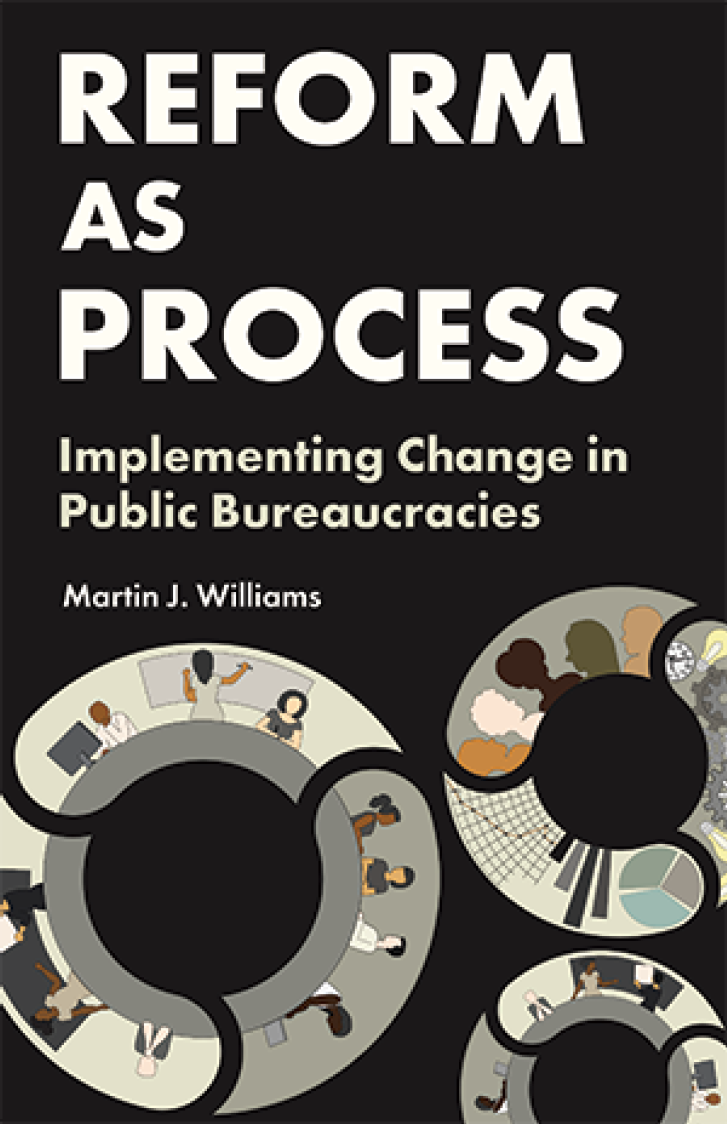
An excerpt from Reform as Process on reforming government bureaucracy

In developing economies, the digital health platforms that actually work are not imported. They are built from scratch by the communities they serve.

Research shows that neurodivergent employees display tendencies that can boost organizational performance—but too many organizations are not designed to incorporate their unique skill sets.

AI companies are offering nonprofits free services and staff. Is the deal too good to be true?

Funders should measure capacity building by what changes, not just what grantees like.

I had a mandate to create an investment portfolio wholly devoted to impact that would not sacrifice returns. After a decade, it outperformed its benchmarks of traditional market indexes and demonstrated that socially positive investments are long-term value investments.